Buy foodboxx.eu ?
We are moving the project
foodboxx.eu .
Are you interested in purchasing the domain
foodboxx.eu ?
domain@kv-gmbh.de · 0541-91531010
Buy foodboxx.eu ?
What are biblical archetypes?
Biblical archetypes are recurring symbols, characters, or themes found throughout the Bible that represent universal human experiences, emotions, or truths. These archetypes often serve as a model or pattern for understanding and interpreting the world and our own lives. Examples of biblical archetypes include the hero, the villain, the journey, the sacrifice, and the redemption, which can be found in various stories and characters throughout the Bible. These archetypes provide a framework for understanding the human condition and the spiritual journey. **
What are the archetypes of C.G. Jung?
C.G. Jung identified several archetypes that he believed were universal symbols or themes that appear in the collective unconscious of all people. Some of the key archetypes include the persona (the social mask we present to the world), the shadow (the darker, unconscious side of our personality), the anima/animus (the feminine and masculine aspects within each individual), the self (the striving for wholeness and integration), and the hero (the figure who overcomes challenges and achieves greatness). Jung believed that recognizing and integrating these archetypes into our consciousness could lead to personal growth and self-realization. **


Similar search terms for Archetypes
Top-Angebote
Products related to Archetypes:
-
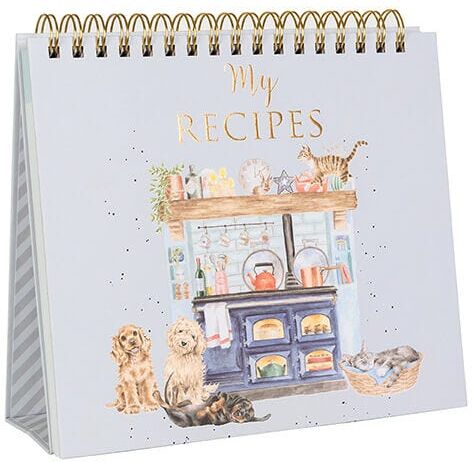
Wrendale Designs Recipe BookThe Wrendale Designs Recipe Book makes a wonderful addition to your kitchen for planning everyday meals. The pages are filled with a variety of animals with plenty of space for writing your created and favourite recipes complete with a conversion and method page, plus a handy pocket at the back to keep those recipe snippets you have collected. The recipe book is spiral bound with a gold finish and gold letter detailing on the tabs inside the book and on the cover. The recipe book includes a built in stand with allows it to fold flat when putting away. Printed using sustainably sourced textured board from responsibly managed forests. Size: 21(H) x 24(W) x 2.5(D)cm.16,20 £*Shipping: 3,50 £Secure redirect to the provider
-
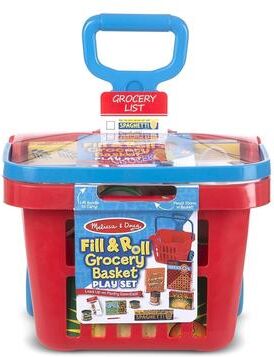
Melissa & Doug Rolling Grocery BasketLoad up on play kitchen and grocery store essentials and get playtime rolling with this durable rolling grocery basket filled with play food boxes and cans! Lift the basket handle to carry, or extend to roll.48,99 $*Shipping: 0,00 $Secure redirect to the provider
-
The Handy Homestead Premium Party Drink And Snack Cup Set With Lid And Straw 500mlGet ready to transform snack time and party moments with this 10pcs allinone drink and snack cup set that makes enjoying your favorite refreshments easier and more fun than ever. Designed for movie nights, game days, picnics, and celebrations, this...59,97 $*Shipping: 0,00 $Secure redirect to the provider

-
Are there different soul types or family archetypes?
Yes, some belief systems and spiritual practices suggest that there are different soul types or family archetypes. These can include concepts such as old souls, young souls, warrior souls, healer souls, and more. Each soul type is believed to have unique characteristics, purposes, and lessons to learn in their lifetime. Understanding these soul types or family archetypes can help individuals gain insight into their own spiritual journey and relationships with others. **
-
What is the difference between archetypes and stereotypes?
Archetypes are universal symbols or themes that represent shared human experiences and emotions, often found in literature, mythology, and art. They are timeless and can be interpreted in various ways. On the other hand, stereotypes are oversimplified and generalized beliefs about a particular group of people, often based on assumptions or prejudices. Stereotypes can be harmful as they limit individuals to a narrow set of characteristics, while archetypes are more complex and can be used to explore deeper aspects of the human psyche. **
-
How can images and pictures be used as archetypes?
Images and pictures can be used as archetypes by representing universal symbols and themes that are deeply ingrained in the human psyche. For example, a picture of a mother and child can evoke the archetype of nurturing and protection. Similarly, an image of a tree can symbolize growth, strength, and connection to the earth. By tapping into these archetypal images, artists and storytellers can convey powerful and resonant messages that transcend cultural and linguistic barriers. Additionally, these archetypal images can evoke strong emotional responses and connect with audiences on a subconscious level. **
-
How can the difference between the collective unconscious and archetypes be explained simply?
The collective unconscious is a concept introduced by Carl Jung, which refers to the shared reservoir of memories and experiences that all humans inherit. Archetypes, on the other hand, are universal symbols or themes that arise from the collective unconscious and are expressed in various cultures and individuals. In simpler terms, the collective unconscious is like a vast library of human experiences, while archetypes are the common themes or characters found within that library that appear in myths, stories, and dreams. **

How can the difference between the collective unconscious and the archetypes be explained simply?
The collective unconscious is a shared reservoir of memories and experiences that all humans inherit from their ancestors, while archetypes are universal symbols or themes that arise from the collective unconscious. In simpler terms, the collective unconscious is like a vast library of human experiences that we all have access to, while archetypes are the common patterns or characters that appear in myths, stories, and dreams. Essentially, the collective unconscious is the source, and archetypes are the recurring themes or symbols that emerge from it. **
How can the difference between the collective unconscious and the archetypes be simply explained?
The collective unconscious refers to the shared reservoir of memories, experiences, and images that are inherited from our ancestors and are common to all humans. It is a part of the unconscious mind that is shared by all people across cultures. On the other hand, archetypes are universal symbols and patterns that emerge from the collective unconscious. They are recurring themes or motifs that are present in myths, stories, and dreams and represent fundamental human experiences and emotions. In simple terms, the collective unconscious is the deep well of shared human experiences, while archetypes are the specific symbols and patterns that arise from this collective unconscious. **
Top-Angebote
Products related to Archetypes:
-
Bluebird ltd Pinch of Nom Food Planner 3 Books Collection Set – Healthy Recipe & Meal Planning CollectionPinch of Nom Food Planner Collection 3 Books Set By Kay Featherstone, Kate Allinson, Laura Davis (Pinch of Nom Food Planner, Everyday Light [Hardcover], Quick and Easy) Everyday Light [Hardcover]: With a new style and a simple, handy ring-bound format, as well as gorgeous Nom stickers and tear-out pages for shopping lists, this planner is easily adaptable to your personal slimming guidelines.The twenty-six exclusive Pinch of Nom Everyday Light recipes are all under 400 calories – and they are all delicious, packed with flavour and designed to keep you full and satisfied. Quick & Easy: There is so much room to plan and celebrate your achievements. Beautifully designed and illustrated with line drawings and motivational tips, the diet diary-style planner doesn't have any photos of the recipes – you can find them on the Pinch of Nom website – which gives you more pages for writing up your goals and food plans. Whether you want to keep track of calories, jot down your shopping lists, record healthy treats or celebrate key achievements, this book is designed to help you stay organized and motivated. Pinch of Nom Food Planner: This meal planner is the perfect tool to help you stay on track, set out in a simple format with diet diary-style pages that are easily adaptable to your personal slimming guidelines. With one brand new recipe per week this gives you twenty-six exclusive Pinch of Nom recipes – all delicious, full of flavour and designed to keep you full and satisfied17,99 £*Shipping: 2,99 £Secure redirect to the provider
-
Cozy Casa Charm Stadium Tumbler With Snack Bowl And Straw Spill Proof Snack And Drink Cup yellowStop juggling separate containers and simplify your snacking experience. Whether youre cheering from the bleachers or cozying up for a movie marathon, this 2in1 snack and drink cup allows you to hold your favorite beverage and treats in one hand....34,97 $*Shipping: 0,00 $Secure redirect to the provider
-
Wrendale Designs Recipe BookThe Wrendale Designs Recipe Book makes a wonderful addition to your kitchen for planning everyday meals. The pages are filled with a variety of animals with plenty of space for writing your created and favourite recipes complete with a conversion and method page, plus a handy pocket at the back to keep those recipe snippets you have collected. The recipe book is spiral bound with a gold finish and gold letter detailing on the tabs inside the book and on the cover. The recipe book includes a built in stand with allows it to fold flat when putting away. Printed using sustainably sourced textured board from responsibly managed forests. Size: 21(H) x 24(W) x 2.5(D)cm.16,20 £*Shipping: 3,50 £Secure redirect to the provider
-
What are biblical archetypes?
Biblical archetypes are recurring symbols, characters, or themes found throughout the Bible that represent universal human experiences, emotions, or truths. These archetypes often serve as a model or pattern for understanding and interpreting the world and our own lives. Examples of biblical archetypes include the hero, the villain, the journey, the sacrifice, and the redemption, which can be found in various stories and characters throughout the Bible. These archetypes provide a framework for understanding the human condition and the spiritual journey. **
-
What are the archetypes of C.G. Jung?
C.G. Jung identified several archetypes that he believed were universal symbols or themes that appear in the collective unconscious of all people. Some of the key archetypes include the persona (the social mask we present to the world), the shadow (the darker, unconscious side of our personality), the anima/animus (the feminine and masculine aspects within each individual), the self (the striving for wholeness and integration), and the hero (the figure who overcomes challenges and achieves greatness). Jung believed that recognizing and integrating these archetypes into our consciousness could lead to personal growth and self-realization. **
-
Are there different soul types or family archetypes?
Yes, some belief systems and spiritual practices suggest that there are different soul types or family archetypes. These can include concepts such as old souls, young souls, warrior souls, healer souls, and more. Each soul type is believed to have unique characteristics, purposes, and lessons to learn in their lifetime. Understanding these soul types or family archetypes can help individuals gain insight into their own spiritual journey and relationships with others. **
-
What is the difference between archetypes and stereotypes?
Archetypes are universal symbols or themes that represent shared human experiences and emotions, often found in literature, mythology, and art. They are timeless and can be interpreted in various ways. On the other hand, stereotypes are oversimplified and generalized beliefs about a particular group of people, often based on assumptions or prejudices. Stereotypes can be harmful as they limit individuals to a narrow set of characteristics, while archetypes are more complex and can be used to explore deeper aspects of the human psyche. **
Similar search terms for Archetypes
-
Melissa & Doug Rolling Grocery BasketLoad up on play kitchen and grocery store essentials and get playtime rolling with this durable rolling grocery basket filled with play food boxes and cans! Lift the basket handle to carry, or extend to roll.48,99 $*Shipping: 0,00 $Secure redirect to the provider
-
The Handy Homestead Premium Party Drink And Snack Cup Set With Lid And Straw 500mlGet ready to transform snack time and party moments with this 10pcs allinone drink and snack cup set that makes enjoying your favorite refreshments easier and more fun than ever. Designed for movie nights, game days, picnics, and celebrations, this...59,97 $*Shipping: 0,00 $Secure redirect to the provider
-
Bar Originale Recipe Cocktail ShakerBased on a classic design, this Bar Originale Recipe Cocktail Shaker has eight recipes for on-trend cocktails. Turn the outer body to the desired cocktail printed around the shaker and the windows will reveal up to six ingredients. The top three go into the shaker and the bottom three are added to the drinking glass. Dial guides along the base allow you to turn the outer wall to select your desired cocktail. The double walled construction helps to insulate your drink and a strainer is also included. Recipes include: Mojito, Passionfruit Martini, Espresso Martini, Daiquiri, Negroni, Woo Woo, Margarita and Bramble. This Bar Originale Recipe Cocktail Shaker is made from food grade stainless steel and is dishwasher safe. Supplied in a smart gift box.20,69 £*Shipping: 3,50 £Secure redirect to the provider
-
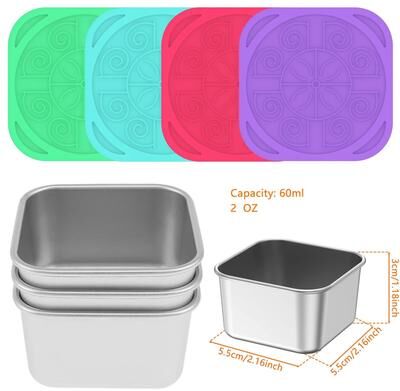
Inspired Finds 4 Piece Stainless Steel Snack Container Set With Leakproof Silicone Lids For Dressings, Dips & Meal Prep green teal red purpleStay organized wherever you go with this stainless steel snack container set designed for busy lifestyles. Perfect for packing salad dressings, sauces, dips, nuts, fruits, and snacks, these compact containers make meal prep and onthego dining easier...34,99 $*Shipping: 0,00 $Secure redirect to the provider
-
How can images and pictures be used as archetypes?
Images and pictures can be used as archetypes by representing universal symbols and themes that are deeply ingrained in the human psyche. For example, a picture of a mother and child can evoke the archetype of nurturing and protection. Similarly, an image of a tree can symbolize growth, strength, and connection to the earth. By tapping into these archetypal images, artists and storytellers can convey powerful and resonant messages that transcend cultural and linguistic barriers. Additionally, these archetypal images can evoke strong emotional responses and connect with audiences on a subconscious level. **
-
How can the difference between the collective unconscious and archetypes be explained simply?
The collective unconscious is a concept introduced by Carl Jung, which refers to the shared reservoir of memories and experiences that all humans inherit. Archetypes, on the other hand, are universal symbols or themes that arise from the collective unconscious and are expressed in various cultures and individuals. In simpler terms, the collective unconscious is like a vast library of human experiences, while archetypes are the common themes or characters found within that library that appear in myths, stories, and dreams. **
-
How can the difference between the collective unconscious and the archetypes be explained simply?
The collective unconscious is a shared reservoir of memories and experiences that all humans inherit from their ancestors, while archetypes are universal symbols or themes that arise from the collective unconscious. In simpler terms, the collective unconscious is like a vast library of human experiences that we all have access to, while archetypes are the common patterns or characters that appear in myths, stories, and dreams. Essentially, the collective unconscious is the source, and archetypes are the recurring themes or symbols that emerge from it. **
-
How can the difference between the collective unconscious and the archetypes be simply explained?
The collective unconscious refers to the shared reservoir of memories, experiences, and images that are inherited from our ancestors and are common to all humans. It is a part of the unconscious mind that is shared by all people across cultures. On the other hand, archetypes are universal symbols and patterns that emerge from the collective unconscious. They are recurring themes or motifs that are present in myths, stories, and dreams and represent fundamental human experiences and emotions. In simple terms, the collective unconscious is the deep well of shared human experiences, while archetypes are the specific symbols and patterns that arise from this collective unconscious. **
* All prices are inclusive of VAT and, if applicable, plus shipping costs. The offer information is based on the details provided by the respective shop and is updated through automated processes. Real-time updates do not occur, so deviations can occur in individual cases. ** Note: Parts of this content were created by AI.