Buy foodboxx.eu ?
We are moving the project
foodboxx.eu .
Are you interested in purchasing the domain
foodboxx.eu ?
domain@kv-gmbh.de · 0541-91531010
Buy foodboxx.eu ?
What are conjunctional clauses, relative clauses, demonstrative clauses, and infinitive clauses?
Conjunctional clauses are dependent clauses that are introduced by a conjunction, such as "because," "although," or "while." They provide additional information about the main clause in a sentence. Relative clauses are also dependent clauses that provide more information about a noun in the main clause. They are introduced by relative pronouns like "who," "which," or "that." Demonstrative clauses are dependent clauses that function as adjectives and provide more information about a noun in the main clause. They are introduced by demonstrative pronouns like "this," "that," "these," or "those." Infinitive clauses are dependent clauses that are formed with an infinitive verb (to + base form of the verb). They can function as nouns, adjectives, or adverbs in a sentence. **
Are conjunctive clauses always adverbial clauses?
No, conjunctive clauses are not always adverbial clauses. While adverbial clauses are a type of conjunctive clause that function as adverbs to modify verbs, adjectives, or other adverbs, there are also other types of conjunctive clauses. For example, there are conjunctive clauses that function as noun clauses, such as in "I know that you are busy." In this sentence, "that you are busy" is a conjunctive clause functioning as a noun clause, not an adverbial clause. Therefore, conjunctive clauses can serve various grammatical functions beyond just adverbial clauses. **


Similar search terms for Clauses
Top-Angebote
Products related to Clauses:
-
Bluebird ltd Pinch of Nom Food Planner 3 Books Collection Set – Healthy Recipe & Meal Planning CollectionPinch of Nom Food Planner Collection 3 Books Set By Kay Featherstone, Kate Allinson, Laura Davis (Pinch of Nom Food Planner, Everyday Light [Hardcover], Quick and Easy) Everyday Light [Hardcover]: With a new style and a simple, handy ring-bound format, as well as gorgeous Nom stickers and tear-out pages for shopping lists, this planner is easily adaptable to your personal slimming guidelines.The twenty-six exclusive Pinch of Nom Everyday Light recipes are all under 400 calories – and they are all delicious, packed with flavour and designed to keep you full and satisfied. Quick & Easy: There is so much room to plan and celebrate your achievements. Beautifully designed and illustrated with line drawings and motivational tips, the diet diary-style planner doesn't have any photos of the recipes – you can find them on the Pinch of Nom website – which gives you more pages for writing up your goals and food plans. Whether you want to keep track of calories, jot down your shopping lists, record healthy treats or celebrate key achievements, this book is designed to help you stay organized and motivated. Pinch of Nom Food Planner: This meal planner is the perfect tool to help you stay on track, set out in a simple format with diet diary-style pages that are easily adaptable to your personal slimming guidelines. With one brand new recipe per week this gives you twenty-six exclusive Pinch of Nom recipes – all delicious, full of flavour and designed to keep you full and satisfied17,99 £*Shipping: 2,99 £Secure redirect to the provider
-
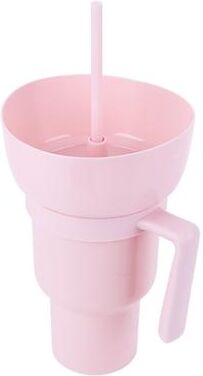
Cozy Casa Charm Stadium Tumbler With Snack Bowl And Straw Spill Proof Snack And Drink Cup pinkStop juggling separate containers and simplify your snacking experience. Whether youre cheering from the bleachers or cozying up for a movie marathon, this 2in1 snack and drink cup allows you to hold your favorite beverage and treats in one hand....34,97 $*Shipping: 0,00 $Secure redirect to the provider
-
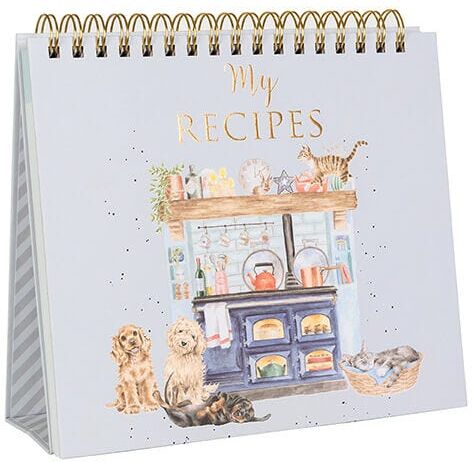
Wrendale Designs Recipe BookThe Wrendale Designs Recipe Book makes a wonderful addition to your kitchen for planning everyday meals. The pages are filled with a variety of animals with plenty of space for writing your created and favourite recipes complete with a conversion and method page, plus a handy pocket at the back to keep those recipe snippets you have collected. The recipe book is spiral bound with a gold finish and gold letter detailing on the tabs inside the book and on the cover. The recipe book includes a built in stand with allows it to fold flat when putting away. Printed using sustainably sourced textured board from responsibly managed forests. Size: 21(H) x 24(W) x 2.5(D)cm.16,20 £*Shipping: 3,50 £Secure redirect to the provider

-
What are relative clauses and conjunctional clauses?
Relative clauses are clauses that provide additional information about a noun in the main clause. They are introduced by relative pronouns such as "who," "which," "that," and "whom." For example, in the sentence "The book that I read is very interesting," the relative clause "that I read" provides more information about the noun "book." Conjunctional clauses, on the other hand, are clauses that are connected to the main clause by conjunctions such as "and," "but," "or," "if," and "because." They can express relationships such as addition, contrast, alternative, condition, and cause. For example, in the sentence "I will go to the park if the weather is nice," the conjunctional clause "if the weather is nice" expresses a condition for the action in the main clause. **
-
What are the French conditional clauses (si-clauses)?
French conditional clauses, also known as si-clauses, are used to express a hypothetical situation and its potential outcome. They consist of two parts: the si clause (if clause), which describes the condition, and the main clause, which describes the potential result. The si clause is typically formed using the conjunction "si" followed by the imperfect tense or the pluperfect tense, while the main clause is formed using the conditional tense. These clauses are commonly used to talk about what would happen in certain situations if a specific condition were met. **
-
How can one recognize main clauses and subordinate clauses?
Main clauses can stand alone as complete sentences, while subordinate clauses cannot. Subordinate clauses often begin with subordinating conjunctions such as "although," "because," "if," "when," or "while." They also often contain a subject and a verb, but they do not express a complete thought on their own. Main clauses, on the other hand, express a complete thought and can function as independent sentences. By identifying these characteristics, one can recognize main and subordinate clauses in a sentence. **
-
How can subordinate clauses be rewritten as main clauses?
Subordinate clauses can be rewritten as main clauses by removing the subordinating conjunction and making any necessary adjustments to the verb tense or word order. For example, the subordinate clause "because she was tired" can be rewritten as the main clause "she was tired." This transformation allows the subordinate clause to stand alone as a complete sentence. Additionally, any pronouns or other words that were dependent on the subordinating conjunction may need to be adjusted to ensure the new main clause is grammatically correct. **

How can adverbial clauses be used as subordinate clauses?
Adverbial clauses can be used as subordinate clauses to provide additional information about the main clause. They can modify the verb in the main clause by expressing time, place, manner, condition, reason, purpose, or concession. For example, in the sentence "She went to bed after she finished her homework," the adverbial clause "after she finished her homework" provides information about the timing of the main action "She went to bed." Adverbial clauses are introduced by subordinating conjunctions such as after, before, while, since, because, if, although, etc. **
How can main clauses and subordinate clauses be recognized?
Main clauses can be recognized by their ability to stand alone as complete sentences, containing a subject and a predicate. Subordinate clauses, on the other hand, cannot stand alone as complete sentences and are dependent on the main clause for their meaning. They often begin with subordinating conjunctions such as "because," "although," "while," or "if." Additionally, subordinate clauses often function as adverbial, adjectival, or nominal clauses, providing additional information about the main clause. **
Top-Angebote
Products related to Clauses:
-
Enesco/Dept 56 More Letters for the Clauses Clothtique Red , RedEvery year, Mr. and Mrs. Claus are eager to receive and read More Letters for the Clauses. The red mailbox has holiday accents including holly leaves, red berries, and a red bow; it is filled with wrapped packages and rolled-up letters. This happy...149,99 $*Shipping: 20,95 $Secure redirect to the provider
-
Enesco/Dept 56 More Letters for the Clauses African American Clothtique Red , RedEvery year, Mr. and Mrs. Claus are eager to receive and read More Letters for the Clauses. The red mailbox has holiday accents including holly leaves, red berries, and a red bow; it is filled with wrapped packages and rolled-up letters. This happy,...149,99 $*Shipping: 20,95 $Secure redirect to the provider
-
Bluebird ltd Pinch of Nom Food Planner 3 Books Collection Set – Healthy Recipe & Meal Planning CollectionPinch of Nom Food Planner Collection 3 Books Set By Kay Featherstone, Kate Allinson, Laura Davis (Pinch of Nom Food Planner, Everyday Light [Hardcover], Quick and Easy) Everyday Light [Hardcover]: With a new style and a simple, handy ring-bound format, as well as gorgeous Nom stickers and tear-out pages for shopping lists, this planner is easily adaptable to your personal slimming guidelines.The twenty-six exclusive Pinch of Nom Everyday Light recipes are all under 400 calories – and they are all delicious, packed with flavour and designed to keep you full and satisfied. Quick & Easy: There is so much room to plan and celebrate your achievements. Beautifully designed and illustrated with line drawings and motivational tips, the diet diary-style planner doesn't have any photos of the recipes – you can find them on the Pinch of Nom website – which gives you more pages for writing up your goals and food plans. Whether you want to keep track of calories, jot down your shopping lists, record healthy treats or celebrate key achievements, this book is designed to help you stay organized and motivated. Pinch of Nom Food Planner: This meal planner is the perfect tool to help you stay on track, set out in a simple format with diet diary-style pages that are easily adaptable to your personal slimming guidelines. With one brand new recipe per week this gives you twenty-six exclusive Pinch of Nom recipes – all delicious, full of flavour and designed to keep you full and satisfied17,99 £*Shipping: 2,99 £Secure redirect to the provider
-
Cozy Casa Charm Stadium Tumbler With Snack Bowl And Straw Spill Proof Snack And Drink Cup pinkStop juggling separate containers and simplify your snacking experience. Whether youre cheering from the bleachers or cozying up for a movie marathon, this 2in1 snack and drink cup allows you to hold your favorite beverage and treats in one hand....34,97 $*Shipping: 0,00 $Secure redirect to the provider
-
What are conjunctional clauses, relative clauses, demonstrative clauses, and infinitive clauses?
Conjunctional clauses are dependent clauses that are introduced by a conjunction, such as "because," "although," or "while." They provide additional information about the main clause in a sentence. Relative clauses are also dependent clauses that provide more information about a noun in the main clause. They are introduced by relative pronouns like "who," "which," or "that." Demonstrative clauses are dependent clauses that function as adjectives and provide more information about a noun in the main clause. They are introduced by demonstrative pronouns like "this," "that," "these," or "those." Infinitive clauses are dependent clauses that are formed with an infinitive verb (to + base form of the verb). They can function as nouns, adjectives, or adverbs in a sentence. **
-
Are conjunctive clauses always adverbial clauses?
No, conjunctive clauses are not always adverbial clauses. While adverbial clauses are a type of conjunctive clause that function as adverbs to modify verbs, adjectives, or other adverbs, there are also other types of conjunctive clauses. For example, there are conjunctive clauses that function as noun clauses, such as in "I know that you are busy." In this sentence, "that you are busy" is a conjunctive clause functioning as a noun clause, not an adverbial clause. Therefore, conjunctive clauses can serve various grammatical functions beyond just adverbial clauses. **
-
What are relative clauses and conjunctional clauses?
Relative clauses are clauses that provide additional information about a noun in the main clause. They are introduced by relative pronouns such as "who," "which," "that," and "whom." For example, in the sentence "The book that I read is very interesting," the relative clause "that I read" provides more information about the noun "book." Conjunctional clauses, on the other hand, are clauses that are connected to the main clause by conjunctions such as "and," "but," "or," "if," and "because." They can express relationships such as addition, contrast, alternative, condition, and cause. For example, in the sentence "I will go to the park if the weather is nice," the conjunctional clause "if the weather is nice" expresses a condition for the action in the main clause. **
-
What are the French conditional clauses (si-clauses)?
French conditional clauses, also known as si-clauses, are used to express a hypothetical situation and its potential outcome. They consist of two parts: the si clause (if clause), which describes the condition, and the main clause, which describes the potential result. The si clause is typically formed using the conjunction "si" followed by the imperfect tense or the pluperfect tense, while the main clause is formed using the conditional tense. These clauses are commonly used to talk about what would happen in certain situations if a specific condition were met. **
Similar search terms for Clauses
-
Wrendale Designs Recipe BookThe Wrendale Designs Recipe Book makes a wonderful addition to your kitchen for planning everyday meals. The pages are filled with a variety of animals with plenty of space for writing your created and favourite recipes complete with a conversion and method page, plus a handy pocket at the back to keep those recipe snippets you have collected. The recipe book is spiral bound with a gold finish and gold letter detailing on the tabs inside the book and on the cover. The recipe book includes a built in stand with allows it to fold flat when putting away. Printed using sustainably sourced textured board from responsibly managed forests. Size: 21(H) x 24(W) x 2.5(D)cm.16,20 £*Shipping: 3,50 £Secure redirect to the provider
-
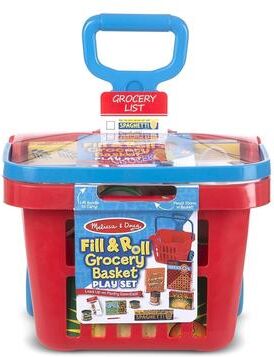
Melissa & Doug Rolling Grocery BasketLoad up on play kitchen and grocery store essentials and get playtime rolling with this durable rolling grocery basket filled with play food boxes and cans! Lift the basket handle to carry, or extend to roll.48,99 $*Shipping: 0,00 $Secure redirect to the provider
-
The Handy Homestead Premium Party Drink And Snack Cup Set With Lid And Straw 500mlGet ready to transform snack time and party moments with this 10pcs allinone drink and snack cup set that makes enjoying your favorite refreshments easier and more fun than ever. Designed for movie nights, game days, picnics, and celebrations, this...59,97 $*Shipping: 0,00 $Secure redirect to the provider
-
How can one recognize main clauses and subordinate clauses?
Main clauses can stand alone as complete sentences, while subordinate clauses cannot. Subordinate clauses often begin with subordinating conjunctions such as "although," "because," "if," "when," or "while." They also often contain a subject and a verb, but they do not express a complete thought on their own. Main clauses, on the other hand, express a complete thought and can function as independent sentences. By identifying these characteristics, one can recognize main and subordinate clauses in a sentence. **
-
How can subordinate clauses be rewritten as main clauses?
Subordinate clauses can be rewritten as main clauses by removing the subordinating conjunction and making any necessary adjustments to the verb tense or word order. For example, the subordinate clause "because she was tired" can be rewritten as the main clause "she was tired." This transformation allows the subordinate clause to stand alone as a complete sentence. Additionally, any pronouns or other words that were dependent on the subordinating conjunction may need to be adjusted to ensure the new main clause is grammatically correct. **
-
How can adverbial clauses be used as subordinate clauses?
Adverbial clauses can be used as subordinate clauses to provide additional information about the main clause. They can modify the verb in the main clause by expressing time, place, manner, condition, reason, purpose, or concession. For example, in the sentence "She went to bed after she finished her homework," the adverbial clause "after she finished her homework" provides information about the timing of the main action "She went to bed." Adverbial clauses are introduced by subordinating conjunctions such as after, before, while, since, because, if, although, etc. **
-
How can main clauses and subordinate clauses be recognized?
Main clauses can be recognized by their ability to stand alone as complete sentences, containing a subject and a predicate. Subordinate clauses, on the other hand, cannot stand alone as complete sentences and are dependent on the main clause for their meaning. They often begin with subordinating conjunctions such as "because," "although," "while," or "if." Additionally, subordinate clauses often function as adverbial, adjectival, or nominal clauses, providing additional information about the main clause. **
* All prices are inclusive of VAT and, if applicable, plus shipping costs. The offer information is based on the details provided by the respective shop and is updated through automated processes. Real-time updates do not occur, so deviations can occur in individual cases. ** Note: Parts of this content were created by AI.