Buy foodboxx.eu ?
We are moving the project
foodboxx.eu .
Are you interested in purchasing the domain
foodboxx.eu ?
domain@kv-gmbh.de · 0541-91531010
Buy foodboxx.eu ?
What is the braking deceleration?
Braking deceleration refers to the rate at which a vehicle slows down when the brakes are applied. It is measured in meters per second squared (m/s^2) and represents the negative acceleration experienced by the vehicle as it comes to a stop. The braking deceleration depends on factors such as the vehicle's mass, the friction between the tires and the road, and the force applied to the brakes. A higher braking deceleration means the vehicle will come to a stop more quickly. **
How do I calculate the deceleration?
To calculate deceleration, you need to determine the change in velocity and the time it takes for that change to occur. Deceleration is calculated by dividing the change in velocity by the time taken for the change to happen. The formula for deceleration is: deceleration = (final velocity - initial velocity) / time. Make sure to use consistent units for velocity and time in your calculation. **

Similar search terms for Deceleration
Top-Angebote
Products related to Deceleration:
-
The Instant Pot Cookbook: 175 Delicious Recipes for Every Meal and Occasion - Houghton Mifflin Harcourt - Paperback Cookbook - Full Colour RecipeThis full-colour cookbook is the ultimate companion for owners of the best-selling Instant Pot appliance, packed with over 175 recipes covering every meal of the day. From quick weeknight staples to impressive weekend feasts, the collection spans soups, stews, vegetable mains and sides, jams, yogurts, and even a whole cheesecake. Compiled by the editors at Houghton Mifflin Harcourt, it helps beginners and seasoned cooks alike unlock the full potential of pressure cooking with clear instructions and vibrant photography. The Instant Pot Cookbook is a comprehensive guide built around the functions of the Instant Pot, one of the most popular kitchen appliances of the last decade. Inside are more than 175 tested recipes organised to take the guesswork out of pressure cooking, from breakfast dishes and hearty lunches through to satisfying dinners and indulgent desserts.2,99 £*Shipping: 2,99 £Secure redirect to the provider
-
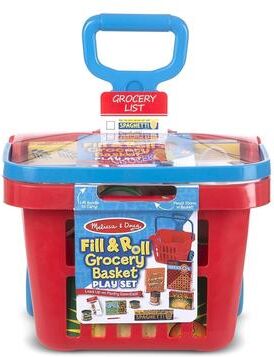
Melissa & Doug Rolling Grocery BasketLoad up on play kitchen and grocery store essentials and get playtime rolling with this durable rolling grocery basket filled with play food boxes and cans! Lift the basket handle to carry, or extend to roll.48,99 $*Shipping: 0,00 $Secure redirect to the provider
-
The Handy Homestead Premium Party Drink And Snack Cup Set With Lid And Straw 500mlGet ready to transform snack time and party moments with this 10pcs allinone drink and snack cup set that makes enjoying your favorite refreshments easier and more fun than ever. Designed for movie nights, game days, picnics, and celebrations, this...59,97 $*Shipping: 0,00 $Secure redirect to the provider


-
How do you calculate the braking deceleration?
To calculate the braking deceleration, you need to know the initial velocity of the object, the final velocity (usually 0 if the object comes to a stop), and the time it takes for the object to come to a stop. The formula to calculate deceleration is: deceleration = (final velocity - initial velocity) / time. By plugging in the values for final velocity, initial velocity, and time into this formula, you can calculate the braking deceleration of the object. **
-
Friction on an inclined plane causes deceleration.
Friction on an inclined plane causes deceleration because it acts in the opposite direction of the object's motion. As the object moves up or down the incline, the friction force opposes its movement, reducing its speed. This deceleration is due to the friction force converting the object's kinetic energy into heat. The steeper the incline or the greater the coefficient of friction, the stronger the deceleration will be. **
-
How does uniform deceleration work in physics?
Uniform deceleration in physics refers to a constant decrease in velocity over time. This means that the object is slowing down at a consistent rate. The rate of deceleration is measured in terms of acceleration, with a negative sign to indicate that it is in the opposite direction of the initial velocity. This can be represented by the equation a = (vf - vi) / t, where a is the acceleration, vf is the final velocity, vi is the initial velocity, and t is the time taken. Uniform deceleration is important in understanding the motion of objects and can be used to calculate stopping distances and braking forces in real-world scenarios. **
-
What is the deceleration of the brakes 2?
The deceleration of brakes 2 is 5 m/s^2. This means that the brakes are slowing down the car at a rate of 5 meters per second squared. A higher deceleration value indicates a stronger braking force, which can help the car come to a stop more quickly. It is important for drivers to be aware of the deceleration of their brakes to ensure safe and efficient stopping. **


What is the formula for deceleration in physics?
The formula for deceleration in physics is given by the equation: a = (v - u) / t, where a is the deceleration, v is the final velocity, u is the initial velocity, and t is the time taken. This formula calculates the rate at which an object slows down, or decelerates, over a certain period of time. Deceleration is a negative acceleration, so the value obtained from the formula will be negative, indicating a decrease in velocity. **
How do you calculate the braking deceleration 2?
To calculate the braking deceleration 2, you can use the formula: a = (v_f - v_i) / t, where a is the deceleration, v_f is the final velocity, v_i is the initial velocity, and t is the time taken to decelerate. First, determine the initial and final velocities of the object. Then, measure the time it takes for the object to come to a complete stop. Finally, plug these values into the formula to calculate the braking deceleration 2. **
Top-Angebote
Products related to Deceleration:
-
Bluebird ltd Pinch of Nom Food Planner 3 Books Collection Set – Healthy Recipe & Meal Planning CollectionPinch of Nom Food Planner Collection 3 Books Set By Kay Featherstone, Kate Allinson, Laura Davis (Pinch of Nom Food Planner, Everyday Light [Hardcover], Quick and Easy) Everyday Light [Hardcover]: With a new style and a simple, handy ring-bound format, as well as gorgeous Nom stickers and tear-out pages for shopping lists, this planner is easily adaptable to your personal slimming guidelines.The twenty-six exclusive Pinch of Nom Everyday Light recipes are all under 400 calories – and they are all delicious, packed with flavour and designed to keep you full and satisfied. Quick & Easy: There is so much room to plan and celebrate your achievements. Beautifully designed and illustrated with line drawings and motivational tips, the diet diary-style planner doesn't have any photos of the recipes – you can find them on the Pinch of Nom website – which gives you more pages for writing up your goals and food plans. Whether you want to keep track of calories, jot down your shopping lists, record healthy treats or celebrate key achievements, this book is designed to help you stay organized and motivated. Pinch of Nom Food Planner: This meal planner is the perfect tool to help you stay on track, set out in a simple format with diet diary-style pages that are easily adaptable to your personal slimming guidelines. With one brand new recipe per week this gives you twenty-six exclusive Pinch of Nom recipes – all delicious, full of flavour and designed to keep you full and satisfied17,99 £*Shipping: 2,99 £Secure redirect to the provider
-
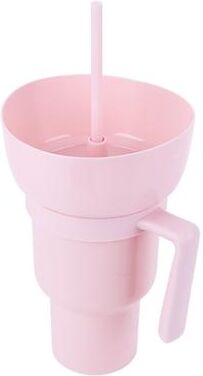
Cozy Casa Charm Stadium Tumbler With Snack Bowl And Straw Spill Proof Snack And Drink Cup pinkStop juggling separate containers and simplify your snacking experience. Whether youre cheering from the bleachers or cozying up for a movie marathon, this 2in1 snack and drink cup allows you to hold your favorite beverage and treats in one hand....34,97 $*Shipping: 0,00 $Secure redirect to the provider
-
The Instant Pot Cookbook: 175 Delicious Recipes for Every Meal and Occasion - Houghton Mifflin Harcourt - Paperback Cookbook - Full Colour RecipeThis full-colour cookbook is the ultimate companion for owners of the best-selling Instant Pot appliance, packed with over 175 recipes covering every meal of the day. From quick weeknight staples to impressive weekend feasts, the collection spans soups, stews, vegetable mains and sides, jams, yogurts, and even a whole cheesecake. Compiled by the editors at Houghton Mifflin Harcourt, it helps beginners and seasoned cooks alike unlock the full potential of pressure cooking with clear instructions and vibrant photography. The Instant Pot Cookbook is a comprehensive guide built around the functions of the Instant Pot, one of the most popular kitchen appliances of the last decade. Inside are more than 175 tested recipes organised to take the guesswork out of pressure cooking, from breakfast dishes and hearty lunches through to satisfying dinners and indulgent desserts.2,99 £*Shipping: 2,99 £Secure redirect to the provider
-
Melissa & Doug Rolling Grocery BasketLoad up on play kitchen and grocery store essentials and get playtime rolling with this durable rolling grocery basket filled with play food boxes and cans! Lift the basket handle to carry, or extend to roll.48,99 $*Shipping: 0,00 $Secure redirect to the provider
-
What is the braking deceleration?
Braking deceleration refers to the rate at which a vehicle slows down when the brakes are applied. It is measured in meters per second squared (m/s^2) and represents the negative acceleration experienced by the vehicle as it comes to a stop. The braking deceleration depends on factors such as the vehicle's mass, the friction between the tires and the road, and the force applied to the brakes. A higher braking deceleration means the vehicle will come to a stop more quickly. **
-
How do I calculate the deceleration?
To calculate deceleration, you need to determine the change in velocity and the time it takes for that change to occur. Deceleration is calculated by dividing the change in velocity by the time taken for the change to happen. The formula for deceleration is: deceleration = (final velocity - initial velocity) / time. Make sure to use consistent units for velocity and time in your calculation. **
-
How do you calculate the braking deceleration?
To calculate the braking deceleration, you need to know the initial velocity of the object, the final velocity (usually 0 if the object comes to a stop), and the time it takes for the object to come to a stop. The formula to calculate deceleration is: deceleration = (final velocity - initial velocity) / time. By plugging in the values for final velocity, initial velocity, and time into this formula, you can calculate the braking deceleration of the object. **
-
Friction on an inclined plane causes deceleration.
Friction on an inclined plane causes deceleration because it acts in the opposite direction of the object's motion. As the object moves up or down the incline, the friction force opposes its movement, reducing its speed. This deceleration is due to the friction force converting the object's kinetic energy into heat. The steeper the incline or the greater the coefficient of friction, the stronger the deceleration will be. **
Similar search terms for Deceleration
-
The Handy Homestead Premium Party Drink And Snack Cup Set With Lid And Straw 500mlGet ready to transform snack time and party moments with this 10pcs allinone drink and snack cup set that makes enjoying your favorite refreshments easier and more fun than ever. Designed for movie nights, game days, picnics, and celebrations, this...59,97 $*Shipping: 0,00 $Secure redirect to the provider
-
Wrendale Designs Recipe BookThe Wrendale Designs Recipe Book makes a wonderful addition to your kitchen for planning everyday meals. The pages are filled with a variety of animals with plenty of space for writing your created and favourite recipes complete with a conversion and method page, plus a handy pocket at the back to keep those recipe snippets you have collected. The recipe book is spiral bound with a gold finish and gold letter detailing on the tabs inside the book and on the cover. The recipe book includes a built in stand with allows it to fold flat when putting away. Printed using sustainably sourced textured board from responsibly managed forests. Size: 21(H) x 24(W) x 2.5(D)cm.16,20 £*Shipping: 3,50 £Secure redirect to the provider
-
How does uniform deceleration work in physics?
Uniform deceleration in physics refers to a constant decrease in velocity over time. This means that the object is slowing down at a consistent rate. The rate of deceleration is measured in terms of acceleration, with a negative sign to indicate that it is in the opposite direction of the initial velocity. This can be represented by the equation a = (vf - vi) / t, where a is the acceleration, vf is the final velocity, vi is the initial velocity, and t is the time taken. Uniform deceleration is important in understanding the motion of objects and can be used to calculate stopping distances and braking forces in real-world scenarios. **
-
What is the deceleration of the brakes 2?
The deceleration of brakes 2 is 5 m/s^2. This means that the brakes are slowing down the car at a rate of 5 meters per second squared. A higher deceleration value indicates a stronger braking force, which can help the car come to a stop more quickly. It is important for drivers to be aware of the deceleration of their brakes to ensure safe and efficient stopping. **
-
What is the formula for deceleration in physics?
The formula for deceleration in physics is given by the equation: a = (v - u) / t, where a is the deceleration, v is the final velocity, u is the initial velocity, and t is the time taken. This formula calculates the rate at which an object slows down, or decelerates, over a certain period of time. Deceleration is a negative acceleration, so the value obtained from the formula will be negative, indicating a decrease in velocity. **
-
How do you calculate the braking deceleration 2?
To calculate the braking deceleration 2, you can use the formula: a = (v_f - v_i) / t, where a is the deceleration, v_f is the final velocity, v_i is the initial velocity, and t is the time taken to decelerate. First, determine the initial and final velocities of the object. Then, measure the time it takes for the object to come to a complete stop. Finally, plug these values into the formula to calculate the braking deceleration 2. **
* All prices are inclusive of VAT and, if applicable, plus shipping costs. The offer information is based on the details provided by the respective shop and is updated through automated processes. Real-time updates do not occur, so deviations can occur in individual cases. ** Note: Parts of this content were created by AI.