Buy foodboxx.eu ?
We are moving the project
foodboxx.eu .
Are you interested in purchasing the domain
foodboxx.eu ?
domain@kv-gmbh.de · 0541-91531010
Buy foodboxx.eu ?
Is the Taj Mahal a mosque?
No, the Taj Mahal is not a mosque. It is actually a mausoleum, built by the Mughal emperor Shah Jahan in memory of his wife Mumtaz Mahal. While the Taj Mahal does have a mosque located on its premises, the main structure itself is not a mosque but a symbol of love and a UNESCO World Heritage Site. **
What is a traditional recipe?
A traditional recipe is a culinary preparation that has been passed down through generations within a specific culture or community. It often uses locally available ingredients and follows a specific method of preparation that has been preserved over time. Traditional recipes are often associated with cultural and historical significance, and they play a role in preserving and celebrating a community's heritage and identity. These recipes are cherished for their authenticity and connection to a particular place and time. **


Similar search terms for SAFAVIEH-Mahal-Gerfriede-Traditional
Top-Angebote
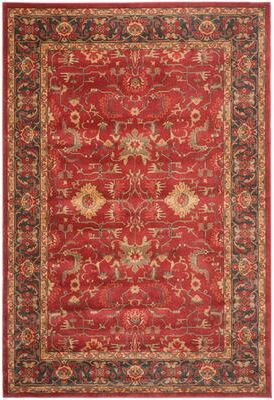
Products related to SAFAVIEH-Mahal-Gerfriede-Traditional:


-
What is a traditional church consecration meal?
A traditional church consecration meal is a special meal that is prepared and shared to celebrate the consecration or dedication of a new church building. It is often a festive occasion where members of the congregation come together to give thanks and celebrate the new space. The meal may include traditional dishes that hold symbolic significance or may simply be a time for fellowship and community bonding. Overall, the consecration meal is a way to mark the significance of the new church building and bring the congregation together in celebration. **
-
Is there a traditional New Year's meal?
Yes, there are traditional New Year's meals in many cultures around the world. For example, in the southern United States, it is common to eat black-eyed peas, collard greens, and cornbread on New Year's Day for good luck and prosperity in the coming year. In Japan, a traditional New Year's meal called Osechi-ryori is prepared and includes a variety of symbolic dishes with special meanings. In many cultures, the specific foods eaten on New Year's Day are believed to bring good fortune, health, and prosperity for the year ahead. **
-
Is the Taj Mahal a mosque or what?
The Taj Mahal is not a mosque, but rather a mausoleum. It was built by the Mughal emperor Shah Jahan in memory of his wife Mumtaz Mahal. While the Taj Mahal does have a mosque located on its grounds, the main structure itself is a mausoleum. The mosque was built to provide a place for prayer and is located to the west of the Taj Mahal. **
-
What is a traditional or bourgeois recipe?
A traditional or bourgeois recipe typically refers to a dish that is associated with a specific culture or region and has been passed down through generations. These recipes often use simple, classic ingredients and cooking methods that have stood the test of time. They are often considered comfort food and are cherished for their nostalgic and comforting qualities. These recipes may also be associated with a certain level of sophistication or elegance, reflecting the tastes and preferences of the upper middle class. **


What would be a traditional Good Friday meal?
A traditional Good Friday meal often includes fish or seafood, as it is a common practice for Christians to abstain from eating meat on this day. Some popular dishes for Good Friday include baked or grilled fish, shrimp scampi, clam chowder, or a seafood pasta dish. Additionally, hot cross buns are a traditional dessert served on Good Friday, symbolizing the crucifixion of Jesus. Overall, the focus is on simple and meatless dishes to honor the solemnity of the day. **
How much did the construction of the Taj Mahal cost?
The construction of the Taj Mahal is estimated to have cost around 32 million Indian rupees at the time, which is equivalent to about $1 billion in today's currency. The construction took place over a period of around 20 years, from 1632 to 1653. The cost was mainly attributed to the use of expensive materials such as white marble and precious gemstones. **
Top-Angebote
Products related to SAFAVIEH-Mahal-Gerfriede-Traditional:
-
Is the Taj Mahal a mosque?
No, the Taj Mahal is not a mosque. It is actually a mausoleum, built by the Mughal emperor Shah Jahan in memory of his wife Mumtaz Mahal. While the Taj Mahal does have a mosque located on its premises, the main structure itself is not a mosque but a symbol of love and a UNESCO World Heritage Site. **
-
What is a traditional recipe?
A traditional recipe is a culinary preparation that has been passed down through generations within a specific culture or community. It often uses locally available ingredients and follows a specific method of preparation that has been preserved over time. Traditional recipes are often associated with cultural and historical significance, and they play a role in preserving and celebrating a community's heritage and identity. These recipes are cherished for their authenticity and connection to a particular place and time. **
-
What is a traditional church consecration meal?
A traditional church consecration meal is a special meal that is prepared and shared to celebrate the consecration or dedication of a new church building. It is often a festive occasion where members of the congregation come together to give thanks and celebrate the new space. The meal may include traditional dishes that hold symbolic significance or may simply be a time for fellowship and community bonding. Overall, the consecration meal is a way to mark the significance of the new church building and bring the congregation together in celebration. **
-
Is there a traditional New Year's meal?
Yes, there are traditional New Year's meals in many cultures around the world. For example, in the southern United States, it is common to eat black-eyed peas, collard greens, and cornbread on New Year's Day for good luck and prosperity in the coming year. In Japan, a traditional New Year's meal called Osechi-ryori is prepared and includes a variety of symbolic dishes with special meanings. In many cultures, the specific foods eaten on New Year's Day are believed to bring good fortune, health, and prosperity for the year ahead. **
Similar search terms for SAFAVIEH-Mahal-Gerfriede-Traditional
-
Is the Taj Mahal a mosque or what?
The Taj Mahal is not a mosque, but rather a mausoleum. It was built by the Mughal emperor Shah Jahan in memory of his wife Mumtaz Mahal. While the Taj Mahal does have a mosque located on its grounds, the main structure itself is a mausoleum. The mosque was built to provide a place for prayer and is located to the west of the Taj Mahal. **
-
What is a traditional or bourgeois recipe?
A traditional or bourgeois recipe typically refers to a dish that is associated with a specific culture or region and has been passed down through generations. These recipes often use simple, classic ingredients and cooking methods that have stood the test of time. They are often considered comfort food and are cherished for their nostalgic and comforting qualities. These recipes may also be associated with a certain level of sophistication or elegance, reflecting the tastes and preferences of the upper middle class. **
-
What would be a traditional Good Friday meal?
A traditional Good Friday meal often includes fish or seafood, as it is a common practice for Christians to abstain from eating meat on this day. Some popular dishes for Good Friday include baked or grilled fish, shrimp scampi, clam chowder, or a seafood pasta dish. Additionally, hot cross buns are a traditional dessert served on Good Friday, symbolizing the crucifixion of Jesus. Overall, the focus is on simple and meatless dishes to honor the solemnity of the day. **
-
How much did the construction of the Taj Mahal cost?
The construction of the Taj Mahal is estimated to have cost around 32 million Indian rupees at the time, which is equivalent to about $1 billion in today's currency. The construction took place over a period of around 20 years, from 1632 to 1653. The cost was mainly attributed to the use of expensive materials such as white marble and precious gemstones. **
* All prices are inclusive of VAT and, if applicable, plus shipping costs. The offer information is based on the details provided by the respective shop and is updated through automated processes. Real-time updates do not occur, so deviations can occur in individual cases. ** Note: Parts of this content were created by AI.